Essential Guide to Joint Pain and Arthritis in Women
Understanding Joint Pain and Arthritis in Women
Joint pain and arthritis are becoming increasingly recognized conditions affecting many women worldwide. Statistics show that women are significantly more likely than men to develop arthritis, with a ratio of almost three to one in certain types, such as osteoarthritis and rheumatoid arthritis. As the numbers rise, understanding the implications of these conditions and knowing what women need to know about joint pain is essential.
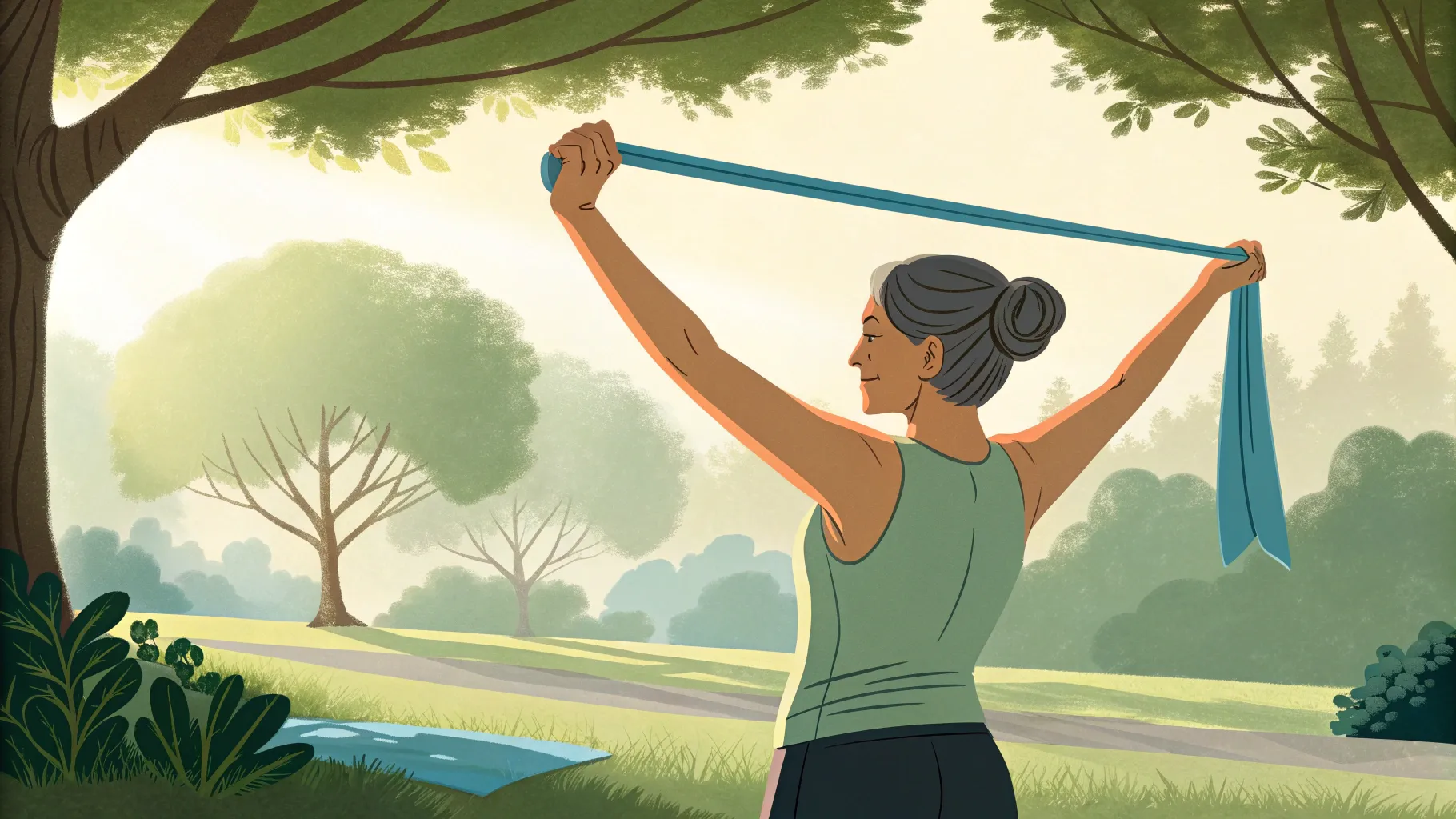
What Women Need to Know About Joint Pain
Joint pain can manifest in various forms, including stiffness, swelling, and a decreased range of motion. It can have a profound impact on daily activities, emotional well-being, and overall quality of life. Early joint pain evaluation tailored to female patients is crucial for proper diagnosis and treatment. Here are some significant points of awareness:
- Prevalence: Approximately 60% of individuals suffering from joint pain are women. Factors contributing to this disparity include hormonal changes, genetics, and lifestyle factors.
- Symptoms: Joint pain is often accompanied by other symptoms, such as fatigue and fever in inflammatory types of arthritis like rheumatoid arthritis.
- Testing: Diagnosis can include physical examinations, imaging studies, and blood tests to rule out different forms of arthritis and other conditions affecting joint health.
Types of Arthritis Commonly Found in Women
Women commonly face several forms of arthritis, with several occurring late in life due to aging, lifestyle habits, and genetic predisposition. Some frequently observed types include:
- Osteoarthritis: Often a result of wear and tear over the years, osteoarthritis affects millions of women and leads to the breakdown of cartilage in the joints, causing pain and inflammation.
- Rheumatoid Arthritis: An autoimmune disorder that predominantly affects females, rheumatoid arthritis can lead to crippling joint damage if not diagnosed and treated early.
- Lupus: This systemic disease commonly appears in women of childbearing age and can affect joints, leading to pain and swelling.
Early Arthritis Diagnosis is Key
It is crucial to receive an early arthritis diagnosis, especially for women experiencing joint pain. The earlier the diagnosis is made, the more options there are for effective management and treatment. Recent advancements in joint pain care underscore the significance of involving specialists such as rheumatologists in the care process.
One specific case demonstrates this reality. For Clara, a 38-year-old woman with persistent joint pain, visiting a rheumatology clinic for women proved transformative. After a thorough evaluation and timely diagnosis, she was started on a tailored treatment regimen that included both medication and lifestyle modifications. Within six months, Clara’s pain significantly reduced, and her functionality improved dramatically. Similar stories abound, affirming the importance of early intervention.
Joint Pain Evaluation Female-Specific Considerations
When it comes to joint pain evaluation, it is essential to consider gender-specific factors. Women may experience symptoms differently than men, influenced by hormonal changes associated with the menstruation cycle, pregnancy, and menopause. This requires a uniquely tailored approach during evaluations where women can be candid about their symptoms and triggers.
Screenings for joint pain must take into account personal and family medical histories, lifestyle choices like diet and exercise, and even psychosocial factors like stress and emotional health. Professionals are increasingly recognizing these factors during joint evaluations.
Innovative Treatment Avenues in 2025
As 2025 progresses, treatment options for joint pain are evolving. Patients and doctors increasingly utilize a multidisciplinary approach, which integrates different specialists including physical therapists, dietitians, and mental health professionals. This holistic approach not only focuses on physical well-being but also emphasizes emotional and psychological factors that contribute to joint pain.
Recent studies have shown that dietary interventions, such as increasing omega-3 fatty acids and reducing processed food intake, can lead to decreased inflammation and pain levels. In addition, incorporating activities like swimming or yoga as low-impact alternatives can improve joint mobility and reduce pain.
Finding the Right Arthritis Specialist
Finding the right arthritis specialist can make a distinguished difference in managing joint pain. Many clinics now focus on female patients, offering tailored treatment options and support groups that recognize the distinct experiences of women suffering from arthritis. In these environments, women not only receive expert care but also find camaraderie with others undergoing similar challenges.
Final Thoughts on Living Well with Joint Pain
Living well with joint pain centers around hope and proactive care. As knowledge about joint pain and arthritis expands, women now have access to more resources and support than ever before. Empowering oneself with knowledge, ensuring consistent medical evaluations, and being open to new treatments are vital in navigating this complex condition.
With holistic care and approaches tailored to women, the journey of managing joint pain and arthritis may become more manageable, allowing for a better quality of life.
As we continue in 2025, the understanding of joint pain and arthritis in women will continue to evolve. With ongoing research and improved healthcare access, there’s hope for women facing these challenges today.
So, if you’re experiencing joint pain, don’t hesitate to consult with an arthritis specialist. Ensuring early evaluation and accurate diagnosis can set the foundation for a healthier and more fulfilling life.
In summary, embracing a comprehensive approach to joint pain and arthritis management in women is essential. From understanding the nuances of symptoms to accessing specialized care, the goal remains clear: to cultivate a supportive path towards wellness.
Authored by Health Posts Online team