Explore Pelvic Pain Causes and Treatment Options for Women
Understanding Pelvic Pain in Women Aged 20–45
Pelvic pain is a significant health issue that affects millions of women, particularly those aged 20 to 45. This age group represents a crucial period for many women as they navigate young adulthood, family planning, and a myriad of other life changes. According to recent studies, approximately 15% to 20% of women in this demographic experience chronic pelvic pain, highlighting the necessity for greater awareness and understanding of its causes and treatments.
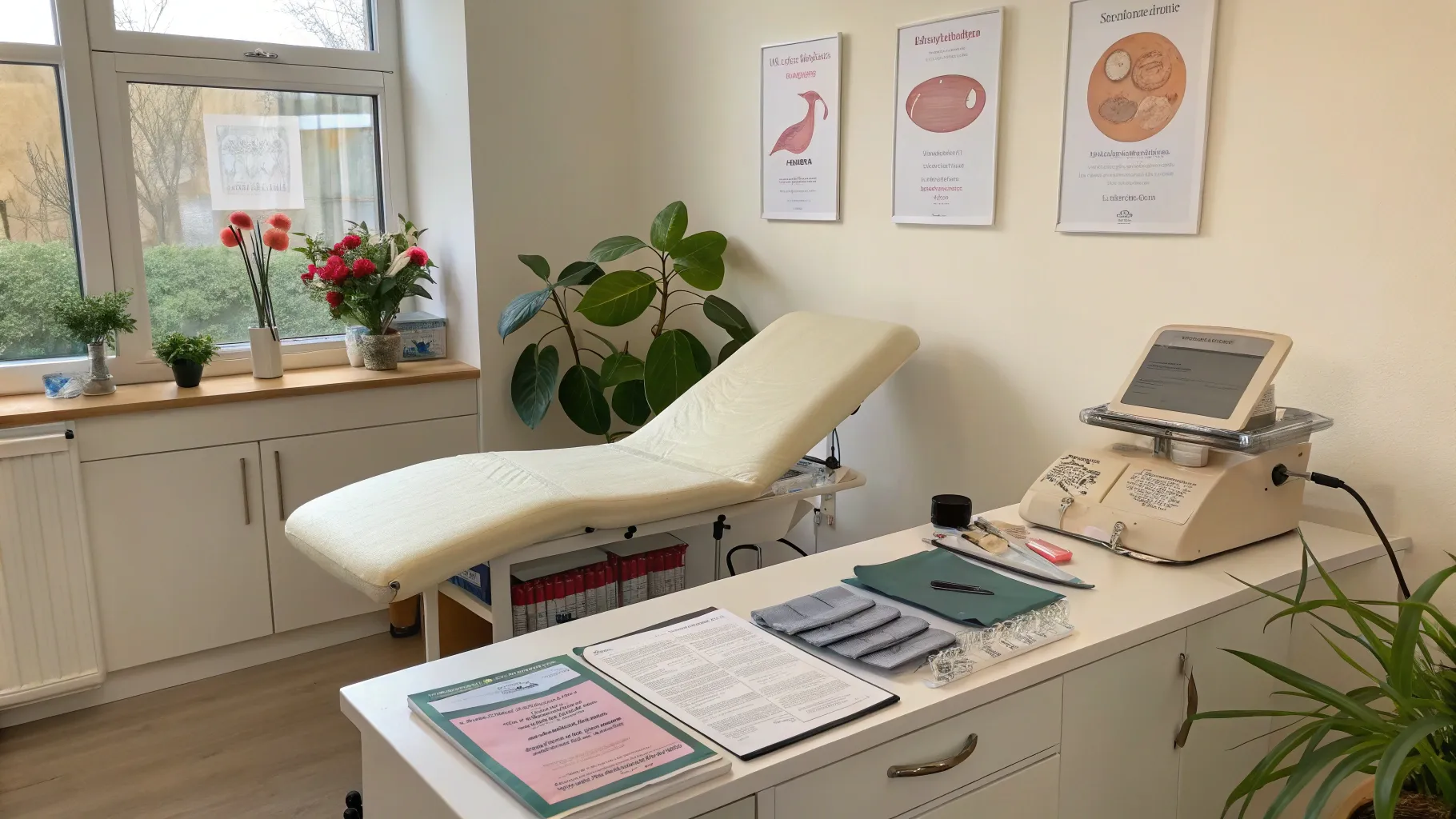
Understanding pelvic pain is not just about addressing discomfort; it also plays a vital role in improving overall quality of life. Female pelvic pain can be a symptom of underlying conditions such as endometriosis, pelvic inflammatory disease, or ovarian cysts, all of which require prompt medical attention. Awareness can lead to earlier diagnosis, better management strategies, and greater access to specialized care, such as visiting a chronic pelvic pain specialist.
Common Causes of Female Pelvic Pain
There are numerous potential causes of pelvic pain, many of which are unique to women. Some common explanations include:
- Gynecological Conditions: Conditions like endometriosis and uterine fibroids are prevalent causes of pelvic pain among women. Endometriosis affects about 1 in 10 women of reproductive age and can lead to severe pain, especially during menstruation.
- Pelvic Inflammatory Disease (PID): This infection of the female reproductive organs can result from sexually transmitted infections and lead to chronic pain if not treated promptly.
- Ovarian Cysts: Fluid-filled sacs that can develop on ovaries can cause sharp pain, especially if they rupture.
- Interstitial Cystitis: Also known as painful bladder syndrome, this condition can cause chronic pelvic pain and discomfort during urination.
- Musculoskeletal Issues: Sometimes, the pain can originate from muscular or skeletal issues, such as pelvic floor dysfunction, which can contribute to discomfort.
Recognizing the symptoms associated with these conditions is crucial. Symptoms can vary from sharp, stabbing pains to dull aches and can occur during menstruation, sexual intercourse, or even while sitting for extended periods. The variation in symptoms makes it crucial for women to advocate for their health and seek a pelvic pain diagnosis for women from qualified healthcare providers.
Importance of Seeking Medical Attention
Women experiencing pelvic pain should not dismiss their symptoms as mere discomfort. Early diagnosis is key to managing chronic conditions effectively. Consulting with medical professionals such as gynecologists or specialized pain clinics can provide tailored strategies. Gynecologist pelvic pain clinics are designed to evaluate and manage such ailments comprehensively, offering advanced diagnostic techniques and treatment options.
During an initial consultation, a physician may perform a pelvic ultrasound. This non-invasive imaging technique helps visualize reproductive organs and assess any abnormalities. Recent data indicates the average cost of a pelvic ultrasound can range from $200 to $800, dependent on various factors including insurance coverage and location. Understanding the costs associated with such tests is essential for women planning their healthcare timelines.
Treatment Options for Pelvic Pain
A wide range of treatment options is available for women suffering from pelvic pain, tailored to the underlying cause and severity of the pain. Some of the most effective treatments include:
- Medications: Over-the-counter pain relievers like ibuprofen can be effective for mild pain. However, depending on the cause, a healthcare provider may prescribe stronger pain management medications or hormonal treatments for conditions like endometriosis.
- Physical Therapy: Pelvic floor physical therapy can greatly benefit women with muscular issues. Therapists use special techniques to strengthen and relax pelvic muscles, alleviating pain.
- Surgical Interventions: For severe cases or specific conditions such as endometriosis, surgery may be recommended to remove adhesions or cysts, significantly reducing pain.
- Behavioral Therapies: Cognitive-behavioral therapy (CBT) and other psychological support methods can help women cope with chronic pain, addressing both the physical and emotional aspects of experiencing pain.
Regular follow-up appointments with healthcare providers ensure that treatment plans can be adjusted as necessary, allowing for more effective management of pelvic pain over time. Additionally, lifestyle changes, including diet, yoga, or other exercises, can support overall well-being and pain reduction.
Advocating for Your Health
For many women, discussing pelvic pain with healthcare providers can feel daunting. However, it is important to emphasize that advocating for one’s health is essential. Be prepared to accurately describe symptoms, including the duration and intensity of the pain, as this can aid in diagnosis and effective treatment.
Women must remember that they are not alone; support groups and online forums have become valuable resources for sharing experiences and advice. Seeking help from a chronic pelvic pain specialist is encouraged to navigate through pain management strategies tailored specifically to individual needs.
In conclusion, understanding the potential causes and treatment options for pelvic pain is vital for women aged 20 to 45. By empowering themselves with knowledge, women can take proactive steps towards finding relief and improving their quality of life. Whether through medical intervention, lifestyle changes, or support networks, the journey towards managing pelvic pain is filled with hope and possibility.
Authored by Health Posts Online team