Exploring the Latest Advances: New Treatments for Parkinsons Disease in 2026
Parkinson's disease remains a formidable neurological challenge, but the landscape of its treatment is evolving rapidly. As we look towards 2026, a wave of promising new treatments for Parkinson's disease is on the horizon, bringing renewed hope to millions worldwide. These innovations span various scientific frontiers, from gene-editing technologies to sophisticated immunotherapies, all aimed at slowing progression, alleviating symptoms, and improving the quality of life for those affected.
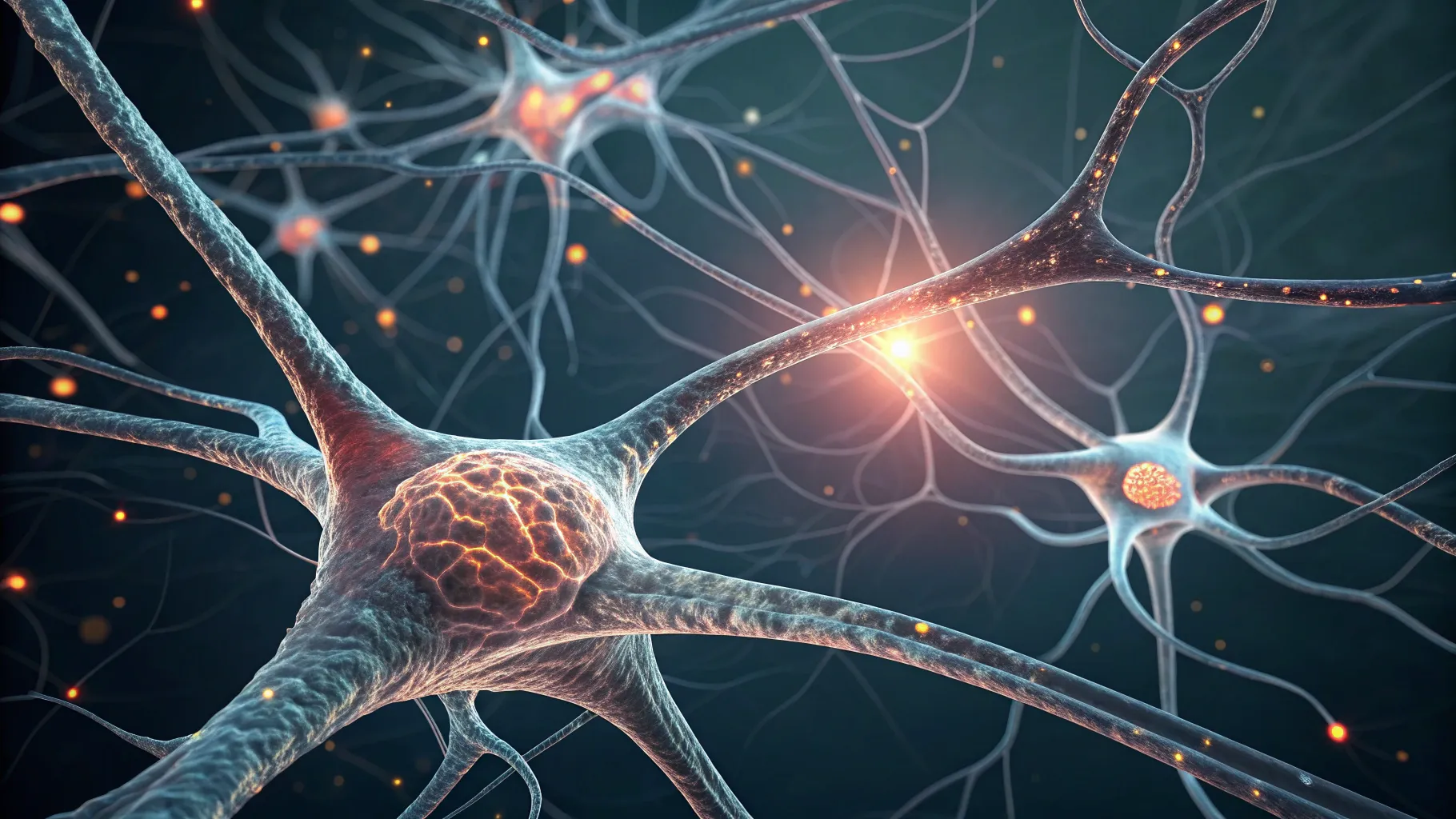
The Promise of Gene Therapy and Precision Medicine
One of the most exciting frontiers in the development of new treatments for Parkinson's disease is gene therapy. Researchers are actively exploring methods to correct genetic mutations or introduce genes that can produce beneficial proteins, such as neurotrophic factors, directly into the brain. These precision medicine approaches are tailored to an individual's genetic profile, promising a highly targeted intervention. Clinical trials are currently assessing the safety and efficacy of several gene therapy candidates, with early results showing potential in modifying the disease course rather than just managing symptoms.
Targeting Specific Genetic Markers
- LRRK2 Inhibitors: For individuals with LRRK2 gene mutations, specific inhibitors are being developed to reduce the overactive protein believed to contribute to Parkinson's pathology.
- GBA1 Gene Therapies: Efforts are underway to address GBA1 mutations, which increase the risk of Parkinson's, by enhancing glucocerebrosidase enzyme activity.
Immunotherapies: A New Approach to Pathology
Immunotherapy represents another groundbreaking area among new treatments for Parkinson's disease. The focus here is on targeting alpha-synuclein, a protein that aggregates into Lewy bodies, a hallmark of Parkinson's. By developing antibodies that can clear these toxic protein clumps from the brain, scientists hope to prevent the spread of pathology and neurodegeneration.
Alpha-Synuclein Antibodies in Development
- Passive Immunization: Administering pre-formed antibodies to help the body clear alpha-synuclein aggregates.
- Active Immunization: Stimulating the body's immune system to produce its own antibodies against alpha-synuclein.
Advanced Drug Delivery Systems
The effectiveness of many potential drugs for Parkinson's disease is often hampered by the blood-brain barrier. Innovations in drug delivery systems are crucial for ensuring that therapeutic agents reach their target in sufficient concentrations. New treatments for Parkinson's disease are leveraging technologies like focused ultrasound, intranasal delivery, and novel nanoparticles to bypass this barrier, enhancing drug efficacy and reducing systemic side effects.
Repurposed Drugs and Combination Therapies
Beyond entirely new compounds, researchers are also looking at existing drugs with new eyes. Many approved medications for other conditions show promise in preclinical studies for Parkinson's. Repurposing these drugs can significantly accelerate their availability as new treatments for Parkinson's disease. Furthermore, combination therapies, involving multiple drugs that target different disease pathways, are being explored to achieve a more comprehensive therapeutic effect.
Non-Pharmacological Interventions and Digital Health
While pharmacological advances are critical, new treatments for Parkinson's disease also encompass significant progress in non-pharmacological interventions and digital health solutions. Wearable devices, AI-powered diagnostics, and personalized rehabilitation programs are becoming increasingly sophisticated. These tools offer continuous monitoring, early detection of symptom fluctuations, and tailored therapeutic exercises, empowering patients to manage their condition more effectively and improving their quality of life.
The collective progress in understanding Parkinson's disease is paving the way for a future where its impact can be significantly mitigated. The array of new treatments for Parkinson's disease emerging from labs and clinical trials offers a strong beacon of hope for patients and their families, promising more effective management and a potential path toward disease modification.
References:
https://www.ninds.nih.gov/current-research/parkinsons-disease-research
https://www.michaeljfox.org/research-setbacks-breakthroughs
https://www.parkinson.org/understanding-parkinsons/treatment
Authored by Health Posts Online team