Learn About Melasma for Women and Effective Treatments
Understanding Melasma and Why It Matters for Women Ages 25-55
In today’s world, where appearance significantly influences self-esteem and social interactions, understanding melasma is crucial for women aged 25 to 55. This demographic encounters unique challenges, as hormonal changes, lifestyle factors, and environmental influences can lead to dark patches on the skin, referred to as pigmentation. In fact, melasma affects approximately 6 million women in the U.S., making it essential to raise awareness and explore effective management strategies.
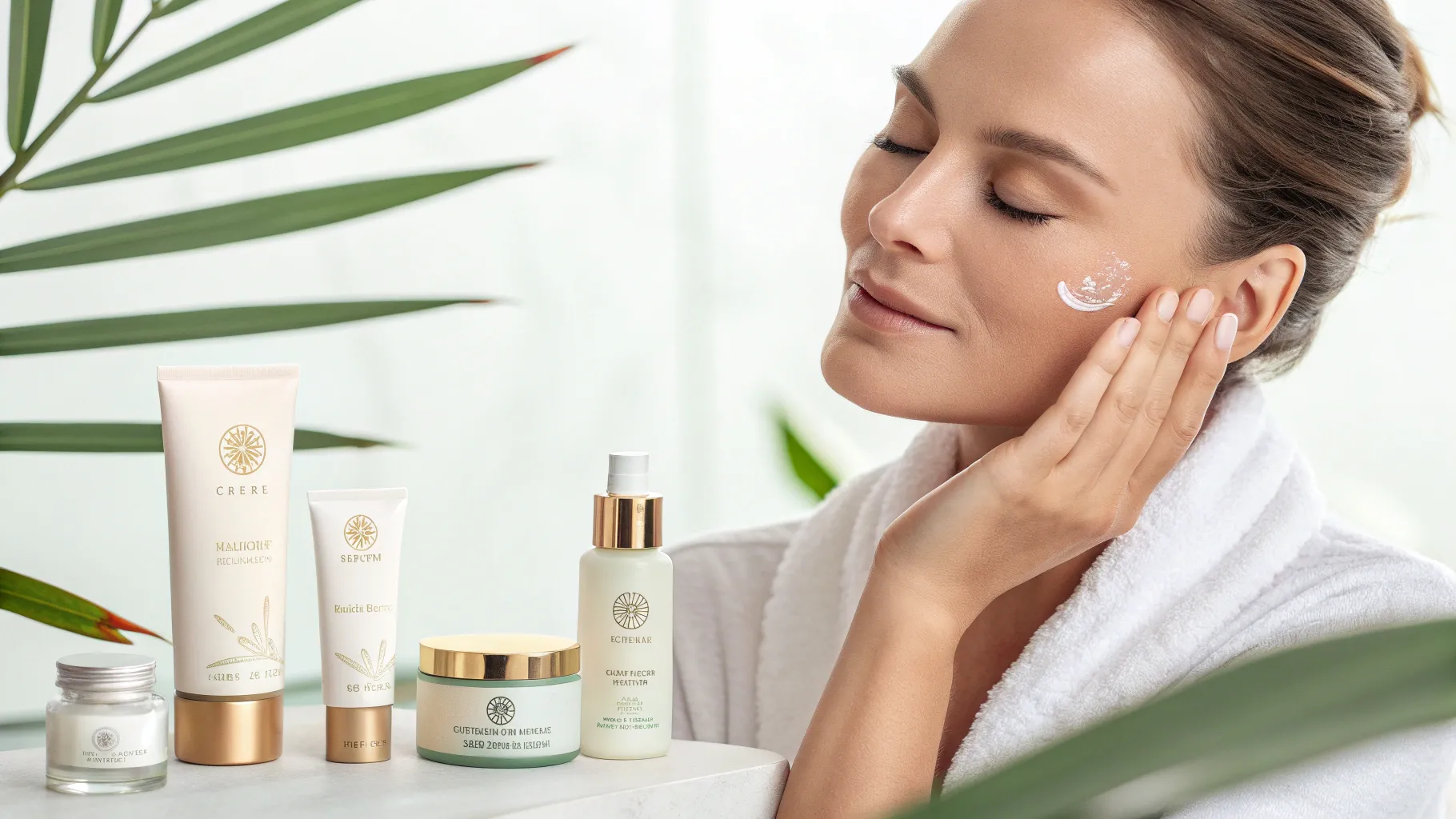
Melasma is predominantly a condition that impacts women—about 90% of cases are found in females. Hormonal fluctuations, particularly during pregnancy or while taking contraceptive pills, can trigger melasma. Research suggests that estrogen plays a significant role in developing these dark spots, highlighting the need for increased awareness among women regarding this condition.
Common Causes of Melasma
While the exact cause of melasma remains unknown, multiple factors are often linked to its appearance. Understanding these causes can empower women to take proactive steps in managing their skin health. Here are the primary contributors to melasma:
- Hormonal Changes: Fluctuations in hormones, especially during pregnancy (often referred to as the "mask of pregnancy"), menopause, or usage of hormone replacement therapy, can instigate melasma. For many women, these changes are significant triggers.
- Sun Exposure: UV rays can exacerbate melasma, highlighting the importance of sunscreen in prevention. A study conducted in 2023 indicated that consistent sunscreen use can reduce melasma flare-ups by up to 60%.
- Genetics: A family history of melasma can increase the likelihood of developing this condition. If a mother or sister has melasma, the risk elevates significantly.
- Skin Type: Individuals with darker skin tones—including those of Hispanic, African, or Asian descent—are at a higher risk for melasma. Recent statistics indicate that about 30% of those affected belong to these ethnic groups.
With awareness of these triggers, women can better manage their skin health actively. Recognizing personal risk factors is the first step toward effective management.
Effective Melasma Treatment Options
Fortunately, a variety of treatment options for melasma have emerged recently, bringing hope to those affected by this skin condition. Understanding these options allows women to make informed decisions about their skincare. Here are some of the most sought-after remedies:
1. Topical Treatments: Creams containing hydroquinone, tretinoin, or corticosteroids are frequently the first line of defense. These products work by lightening excessive pigmentation over time, although some users report mild irritation.
2. Chemical Peels: Mild chemical peels with glycolic or salicylic acids can help exfoliate the skin significantly, reducing the appearance of dark spots. An analysis from late 2023 found that women receiving chemical peel treatments experienced an average improvement of more than 50% in melasma severity within three months.
3. Laser Treatment: Melasma laser treatment has gained popularity for its effectiveness. Non-invasive methods such as fractional lasers or intense pulsed light (IPL) are celebrated for targeting pigmented areas while protecting the surrounding skin. However, costs can vary widely—from $300 to $1,500 per session—based on the treatment type and clinic location.
4. Microneedling: This treatment creates tiny injuries in the skin using fine needles, stimulating collagen production and allowing topical treatments to penetrate deeply. A recent clinical study showed a nearly 70% improvement in pigmentation for participants after a microneedling series paired with serums.
The Importance of Consulting Pigmentation Specialists
For women struggling with melasma, consulting a pigmentation specialist can be invaluable. These experts provide personalized treatment plans based on individual skin types and conditions, which enhances the probability of successful outcomes. This tailored approach not only boosts results but also educates patients on maintaining healthy skin over time.
Additionally, many clinics now offer comprehensive melasma care packages, which typically include a combination of the aforementioned treatments alongside tailored skincare routines to prevent future pigmentation. In 2025, it is vital for women to seek out reputable melasma treatment clinics using the latest techniques and therapies.
Real-World Case Studies and Data
Take Emily, for example—a 30-year-old mother who faced notable melasma during her second pregnancy. After thorough research, she chose to visit a specialized clinic where she engaged in a combination of topical treatments and laser therapy. Remarkably, after six months, Emily minimized her pigmentation concerns significantly. By adhering to an effective skincare routine and practicing sun protection habits, she regained her skin’s radiance. Such instances are not uncommon; dermatological studies from early 2025 indicate that approximately 70% of women achieve substantial improvement with a consistent treatment regimen.
Importantly, mounting evidence shows that the number of women educated about melasma management increases yearly. Thus, awareness is pivotal for women navigating this condition during their prime years.
Integrating Daily Management Practices
Beyond medical treatments, integrating lifestyle changes plays a crucial role in managing melasma effectively. Women are encouraged to adopt the following practices:
- Incorporate sunscreens with a minimum SPF of 30 daily—even when the weather is cloudy.
- Limit sun exposure, particularly during peak hours, and wear wide-brimmed hats for added protection.
- Establish a gentle skincare routine, ensuring all products are non-comedogenic to avoid exacerbating melasma.
- Stay hydrated and maintain a balanced diet rich in antioxidants, which promote skin health.
- Schedule regular consultations with skincare professionals to keep track of skin changes and adapt treatments as necessary.
Grasping the complexities of melasma involves much more than merely treating the dark spots on the skin. It is about empowering women with the knowledge and tools needed to take control of their skin health. With advancements in treatment options and a tailored approach to skin care, women of all ages actively combat melasma with confidence, embracing the potential for restored and radiant skin.
Authored by Health Posts Online team