Recognize Symptoms of Tonsil Stones and Effective Treatments
Tonsil Stones Recognizing Symptoms and Effective Treatment Options
Tonsil stones, medically referred to as tonsilloliths, are small yet often troublesome accumulations of bacteria, dead cells, and food particles that can gather in the natural crevices of the tonsils. Despite being considered generally harmless, they can lead to some rather uncomfortable symptoms, such as persistent bad breath and a sore throat. In this detailed guide, we will delve into tonsil stone symptoms, a range of effective treatment options available today, and helpful preventative measures to manage or avoid these irritating formations altogether.
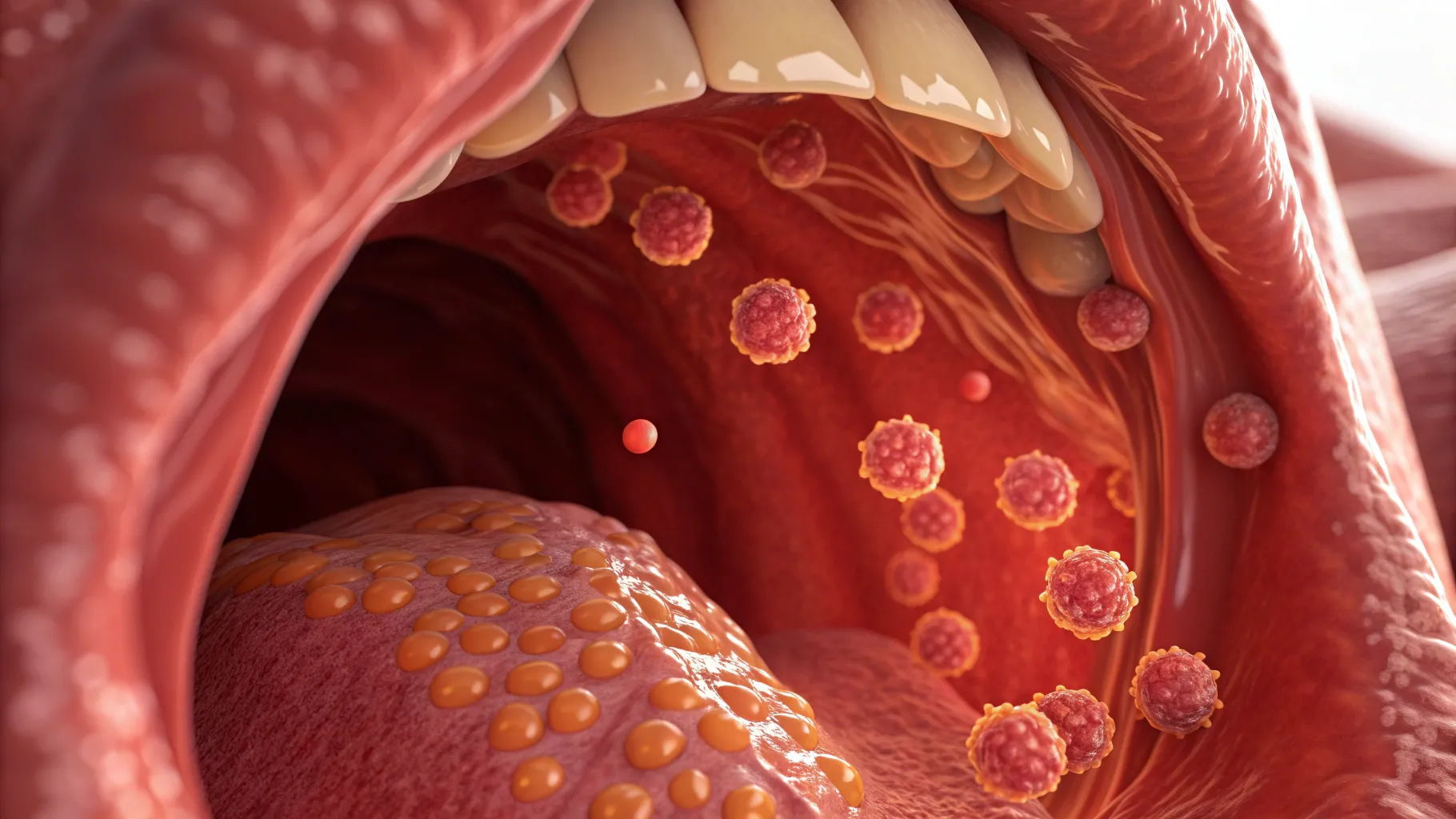
Understanding Tonsil Stones and Their Symptoms
Tonsil stones are surprisingly common, with around 10% of the population experiencing them at least once in their lives, and their prevalence tends to peak among adolescents and young adults. Identifying the symptoms associated with these stones is crucial for proper management and relief.
Here are some of the most prevalent tonsil stone symptoms you might encounter:
- Bad Breath: A hallmark indicator of tonsil stones is halitosis, or chronic bad breath. This unpleasant odor arises from the buildup of bacteria and decomposing food particles, primarily trapped within the stones.
- Sore Throat: A constant sore throat that persists despite home remedies can be a sign of tonsil stones. This discomfort usually results from the irritation caused by the stones themselves.
- Difficulty Swallowing: In cases where the stones grow large, they can obstruct the throat, making swallowing painful or at the very least uncomfortable.
- Ear Pain: Given the interconnectedness of the throat and ears, stones in the tonsils can radiate pain or a feeling of fullness to the ears.
- Visible Stones: On occasion, you may be able to spot white or yellowish stones nestled within the folds of the tonsils, particularly if you use a mirror and a flashlight to check your throat.
Being aware of these symptoms is the first step in addressing tonsil stones. If you find yourself frequently experiencing symptoms—especially the notorious bad breath or a persistent sore throat—it is wise to consult a healthcare professional.
Effective Treatments for Tonsil Stones
Once the symptoms of tonsil stones are recognized, there is a spectrum of treatment options available to help alleviate discomfort and enable effective removal of the stones.
1. Oral Hygiene Practices
Prioritizing good oral hygiene is essential for preventing the formation of tonsil stones. Here are some effective practices you can adopt to reduce your risk:
- Brush your teeth at least twice daily and actively floss to eliminate food particles that contribute to plaque buildup.
- Incorporate an antimicrobial mouthwash into your routine to help destroy the bacteria that cause bad breath.
- Consider using a tongue scraper to clear away debris and bacteria accumulating on your tongue's surface.
2. Saltwater Gargle
Another simple yet effective remedy includes gargling with warm saltwater. This method not only offers relief to your sore throat but can also help dislodge tonsil stones. The saline solution works by soothing inflammation and making it easier to remove any accessible stones.
To concoct the saltwater gargle, dissolve a teaspoon of salt in a cup of warm water, and gargle two to three times a day for relief.
3. Tonsil Stone Removal Techniques
If you find yourself regularly dealing with bothersome tonsil stones, you might opt for specific removal techniques:
- Manual Removal: Some individuals can try gently pressing on the tonsils or using a cotton swab to nudge stones out. However, caution is necessary to prevent injury.
- Water Pick: Investing in a water flosser can be extremely effective in flushing out tiny tonsil stones while also minimizing new formations.
It’s important to approach these methods with care to avoid inadvertently causing harm.
4. Professional Help
If at-home remedies fail or if the tonsil stones prove particularly stubborn, professional medical help may be required. Healthcare providers can safely and effectively remove tonsil stones using various methods, including:
- Tonsillectomy: In more severe cases, an outpatient procedure to entirely remove the tonsils may be suggested. This is particularly effective for individuals who repeatedly suffer from tonsil stones or experience recurrent throat infections.
- Laser Cryptolysis: This innovative treatment employs laser technology to eliminate the crevices in the tonsils where stones typically form, thus reducing the chance of recurrence.
Preventing Tonsil Stones
While it may not be possible to completely avoid tonsil stones, numerous measures exist to significantly lower the chances of their development. Implementing these strategies can be greatly advantageous:
- Stay well-hydrated to keep your mouth moist and assist in flushing out any debris.
- Avoid smoking and limit the intake of alcohol, as both can exacerbate oral hygiene issues.
- Arranging regular dental check-ups is also instrumental in pinpointing any oral hygiene problems early, thus guiding effective prevention tactics.
In 2025, understanding the symptoms associated with tonsil stones and knowing your management options is essential for relief. By consistently practicing excellent oral hygiene and being aware of when to seek medical assistance, you can tackle tonsil stones head-on and minimize the discomfort they cause. Everyone deserves to enjoy their daily lives free from the hassle of these pesky stones.
Authored by Health Posts Online team