Recognizing Early Signs of Amyloidosis: A Comprehensive Guide to What You Should Know
Amyloidosis is a rare and serious condition characterized by the buildup of abnormal proteins, called amyloid, in organs and tissues throughout the body. This protein accumulation can interfere with the normal function of organs, leading to a wide range of symptoms that are often non-specific and can mimic other conditions. Therefore, recognizing early signs of amyloidosis is crucial for timely diagnosis and management, significantly impacting patient outcomes. This article delves into the various manifestations of amyloidosis and highlights the importance of vigilance.
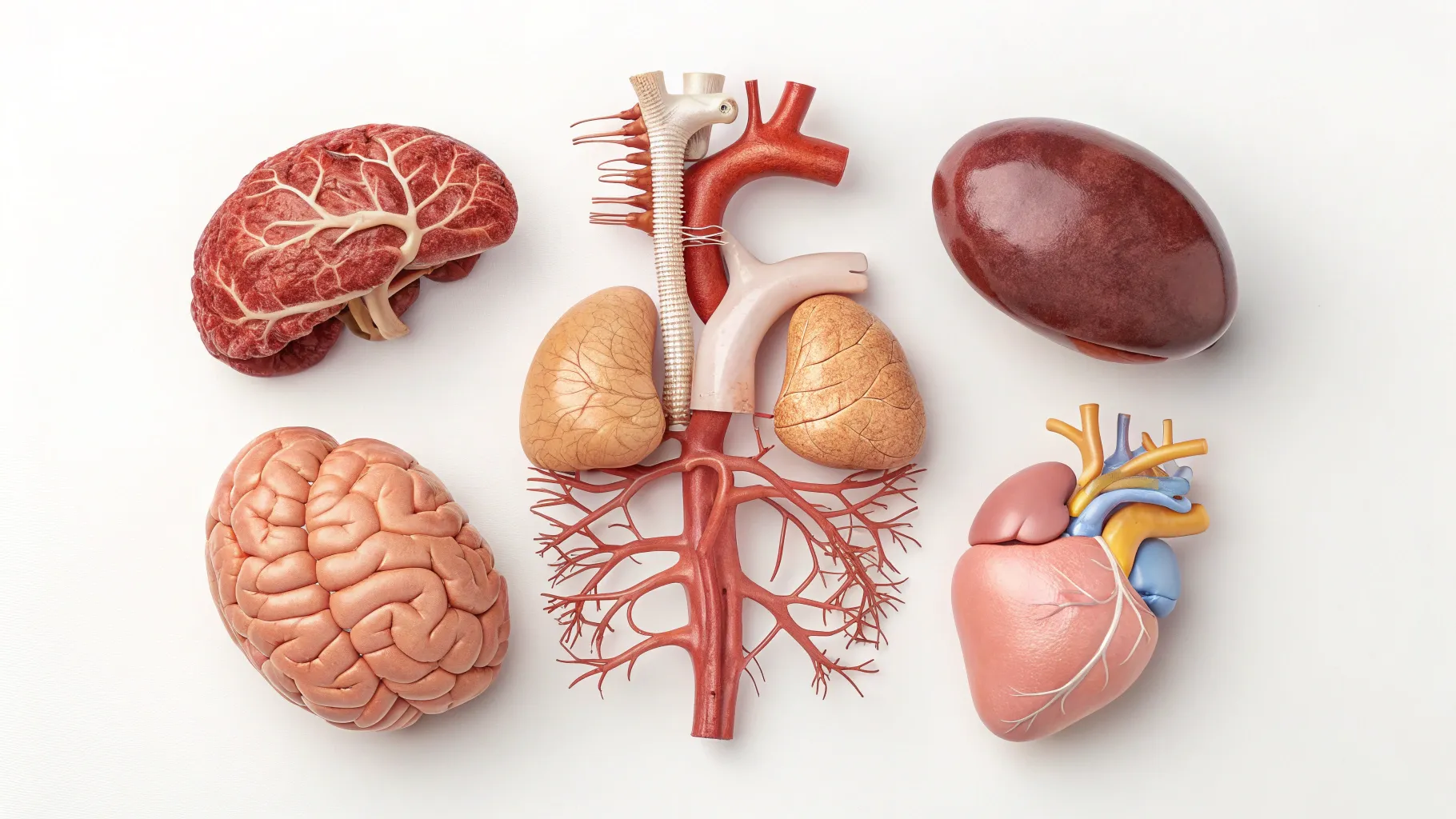
Understanding Amyloidosis: A Complex Disease
Amyloidosis isn't a single disease but rather a group of conditions caused by different types of amyloid proteins. Each type can affect different organs, leading to a diverse clinical picture. The most common forms include AL (light chain) amyloidosis, AA (secondary) amyloidosis, hereditary (ATTRm) amyloidosis, and wild-type (ATTRwt) amyloidosis. The insidious nature of the disease often means that symptoms develop gradually, making recognizing early signs of amyloidosis a challenge for both patients and clinicians. Early recognition allows for prompt intervention before irreversible organ damage occurs.
Varied Clinical Presentations: Key Symptoms to Watch For
Because amyloid can deposit in virtually any organ, the symptoms are incredibly varied. Patients might experience symptoms related to the heart, kidneys, nervous system, liver, or gastrointestinal tract. Here are some common early indicators:
- Fatigue and Weakness: Persistent and unexplained fatigue is a common, though non-specific, early symptom.
- Swelling (Edema): Swelling in the ankles, legs, or around the eyes can indicate kidney involvement or fluid retention due to heart issues.
- Shortness of Breath: Cardiac involvement can lead to difficulty breathing, especially with exertion, or when lying flat.
- Numbness, Tingling, or Pain: Peripheral neuropathy, affecting nerves, can cause these sensations, often starting in the hands and feet.
- Unexplained Weight Loss: Significant, unintentional weight loss can occur due to gastrointestinal involvement or systemic illness.
- Enlarged Tongue (Macroglossia): While less common, an enlarged tongue with indentations from teeth marks is a highly specific sign of AL amyloidosis.
- Skin Changes: Easy bruising, particularly around the eyes ("raccoon eyes"), or waxy, thickened skin can be present.
Patients experiencing a combination of these symptoms, especially if progressing, should seek medical evaluation, emphasizing the need for recognizing early signs of amyloidosis.
Organ-Specific Manifestations: Digging Deeper
Further understanding the impact on specific organs can aid in recognizing early signs of amyloidosis.
Cardiac Amyloidosis
When amyloid infiltrates the heart, it can cause the heart walls to stiffen, impairing its ability to pump blood effectively. Symptoms include shortness of breath, fatigue, chest pain, and irregular heart rhythms. Advanced cardiac amyloidosis can lead to heart failure.
Renal (Kidney) Amyloidosis
Kidney involvement is very common, particularly in AL and AA amyloidosis. Early signs often include proteinuria (protein in the urine), which can lead to nephrotic syndrome characterized by severe edema, high cholesterol, and low protein levels in the blood. Untreated, this can progress to kidney failure.
Gastrointestinal Amyloidosis
Amyloid deposits in the digestive tract can cause a variety of symptoms such as nausea, vomiting, diarrhea, constipation, malabsorption leading to weight loss, and an enlarged liver.
Neurological Amyloidosis
Peripheral neuropathy (numbness, tingling, weakness in limbs) and autonomic neuropathy (dizziness upon standing, digestive issues, erectile dysfunction) are common. Carpal tunnel syndrome, often bilateral, can also be an early indicator.
The Diagnostic Journey: From Suspicion to Confirmation
Given the non-specific nature of its symptoms, diagnosing amyloidosis can be challenging and often delayed. A high index of suspicion is required, especially when patients present with multiple seemingly unrelated symptoms. The diagnostic process typically involves:
- Clinical Evaluation: A thorough medical history and physical examination.
- Blood and Urine Tests: To look for amyloid-related proteins and assess organ function.
- Imaging Studies: Such as echocardiograms for the heart, MRI, or specialized amyloid scans to detect amyloid deposits.
- Biopsy: The definitive diagnosis requires a biopsy of an affected organ or, more commonly, a fat pad biopsy, stained to visualize amyloid proteins.
- Typing of Amyloid: Once amyloid is confirmed, the specific type must be identified, as treatment strategies vary significantly.
Recognizing early signs of amyloidosis and pursuing prompt investigation can prevent irreversible organ damage and improve the efficacy of available treatments.
Importance of Early Intervention and Management
While there is no cure for amyloidosis, significant advancements have been made in treatment options. These treatments aim to stop or slow the production of the abnormal protein, reduce existing amyloid deposits, and manage symptoms. The specific treatment depends on the type of amyloidosis and the organs affected. Early diagnosis, facilitated by recognizing early signs of amyloidosis, allows for earlier initiation of therapy, which is critical for preserving organ function and improving overall prognosis. Regular monitoring and supportive care are also vital components of managing the disease.
References:
https://www.amyloidosissociety.org
https://www.mayoclinic.org/diseases-conditions/amyloidosis
https://www.niddk.nih.gov/health-information/kidney-disease/amyloidosis
Authored by Health Posts Online team