Top 3 Symptoms of a Brain Tumor You Should Know
Understanding the Symptoms of a Brain Tumor
The health landscape in 2025 has seen brain tumors affecting nearly 700,000 people in the United States alone. As awareness of symptoms of brain tumors becomes increasingly pertinent, recognizing these signs can lead to early detection and significantly better treatment outcomes. This article intends to enlighten readers about the common symptoms of brain tumors, ultimately heightening awareness and promoting timely medical intervention.
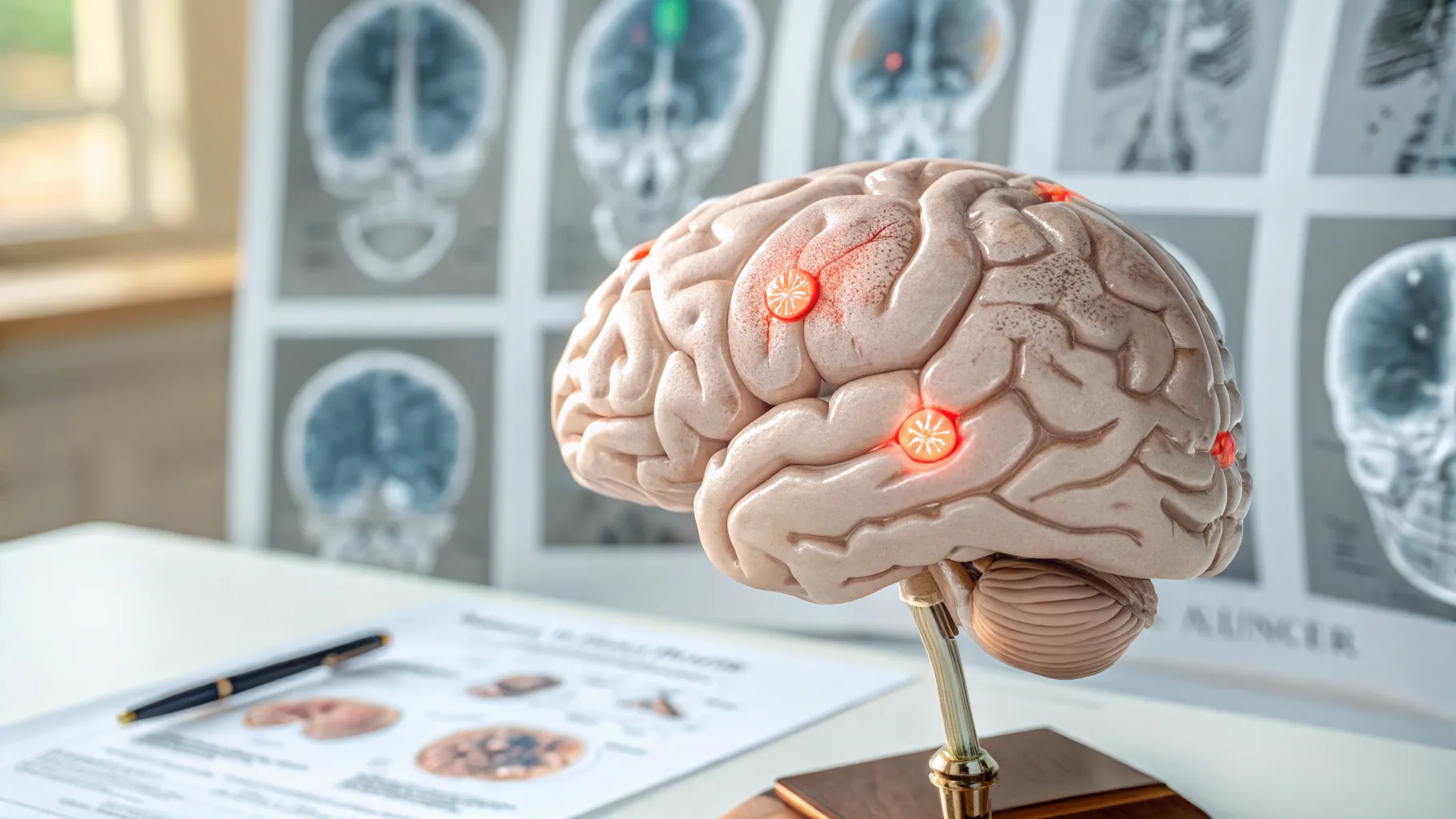
Recognizing the Symptoms of a Brain Tumor
Detecting potential brain tumors early can critically influence treatment decisions and patient outcomes. While there are numerous symptoms associated with brain tumors, let’s focus on three key symptoms that everyone should be vigilant about:
1. Persistent and Unusual Headaches
Headaches are something many people experience, but it's essential to recognize when they transition into a warning sign. In fact, around 50% of patients diagnosed with a brain tumor report headaches as one of their initial symptoms. These headaches often differ from typical headaches in a few significant ways:
- Intensity: Patients frequently describe these headaches as feeling more severe than any they've had before.
- Timing: They can occur more frequently and may become worse during the early morning hours or during physical activities.
- Associated Symptoms: It's common for these headaches to be accompanied by nausea and vomiting.
A striking case from early 2025 involved a woman in New York who initially brushed aside her increasingly severe headaches as stress-related issues. After experiencing severe nausea and finding no relief from over-the-counter painkillers, she sought medical attention. Imaging studies ultimately revealed she had a brain tumor, emphasizing the importance of not ignoring dramatic changes in headache patterns.
2. Seizures as a Warning Sign
A notable statistic reveals that about 30% of individuals diagnosed with brain tumors experience seizures. For those with no previous seizure history, this can be particularly alarming. Seizures take various forms, and understanding these can be crucial:
- Generalized Seizures: This type consists of loss of motor control, occasionally leading to convulsions.
- Partial Seizures: Individuals may experience unusual sensations or emotional changes but do not completely lose consciousness.
Consider the recent story of a young man from Texas who began having unexplained seizures. Concerned after several episodes, he sought medical advice, leading to a diagnosis of a brain tumor necessitating prompt action. His experience underlines the urgent need to address new seizures as potential warning signs.
3. Changes in Cognitive Function or Personality
Brain tumors can significantly affect cognitive function and personality, with patients reporting difficulties in memory, concentration, and emotional regulation. These changes can vary widely depending on the tumor's precise location within the brain. Some common cognitive symptoms include:
- Memory Issues: Difficulty recalling recent events or keeping track of conversations.
- Confusion: Feeling disoriented, even in familiar surroundings, or struggling with routine tasks.
- Behavioral Shifts: Affected individuals might display increased irritability or sudden mood swings.
In a compelling case from earlier this year, a teenager in California experienced marked personality shifts, becoming withdrawn and displaying aggressive tendencies. This transformation puzzled her family until further medical evaluation uncovered the presence of a brain tumor. This situation illustrates how critical it is to consider cognitive changes as red flags for deeper health issues.
When to Consult a Healthcare Professional
Being aware of and understanding the symptoms associated with brain tumors can have a profound impact on leading to early diagnosis and subsequent treatment. If you or someone you know begins to experience a combination of these symptoms, especially if they seem to worsen over time, it is essential to reach out to a healthcare professional. Neurologists may utilize imaging tests like MRI or CT scans to determine the underlying causes of such concerning symptoms.
Advancements in technology play a significant role in the treatment of brain tumors. Personalized therapy options are now available, targeting specific types of tumors for enhanced effectiveness. In recent months, reports have highlighted the benefits of robotic-assisted surgeries that have improved surgical precision, leading to shorter recovery times and better outcomes for patients.
Empowering Yourself Through Awareness
Awareness of brain tumor symptoms is a crucial aspect of personal healthcare advocacy. From occasional headaches to significant cognitive changes, remaining attuned to your body's signals and seeking timely medical advice is vital. Individuals are encouraged to stay informed about the latest research and novel treatment outcomes, as knowledge empowers patients in their health journeys.
Proactive health measures, such as routine health check-ups—especially for those with known risk factors—are essential for maintaining optimal brain health and overall wellness. The prospect of a brain tumor can be frightening, yet understanding the signs and taking action can pave the way toward timely diagnosis and improved health outcomes.
As we navigate the ongoing battle against brain tumors, expanding awareness of their symptoms emerges as a cornerstone of effective health practices. By recognizing these critical early warning signs—persistent headaches, unexpected seizures, and significant cognitive shifts—individuals can take informed, proactive steps in securing their health and potentially saving their lives. The journey to understanding and addressing these symptoms never stops, and the role of community awareness is ever more important in the fight against brain tumors.
Authored by Health Posts Online team