Understanding Female Fertility Testing for Women 25 to 40
Understanding Female Fertility for Women Aged 25-40
Understanding fertility is not just a medical issue; it’s a pivotal aspect of women’s lives, especially for those aged 25 to 40. In recent years, the narrative around women's roles has evolved significantly. An increasing number of women are prioritizing career growth, education, and personal achievements during their late twenties and thirties. Although this empowerment is commendable, it brings forth the critical reality of reproductive timing. As women this age navigate their goals, it’s essential to recognize how fertility can change over time.
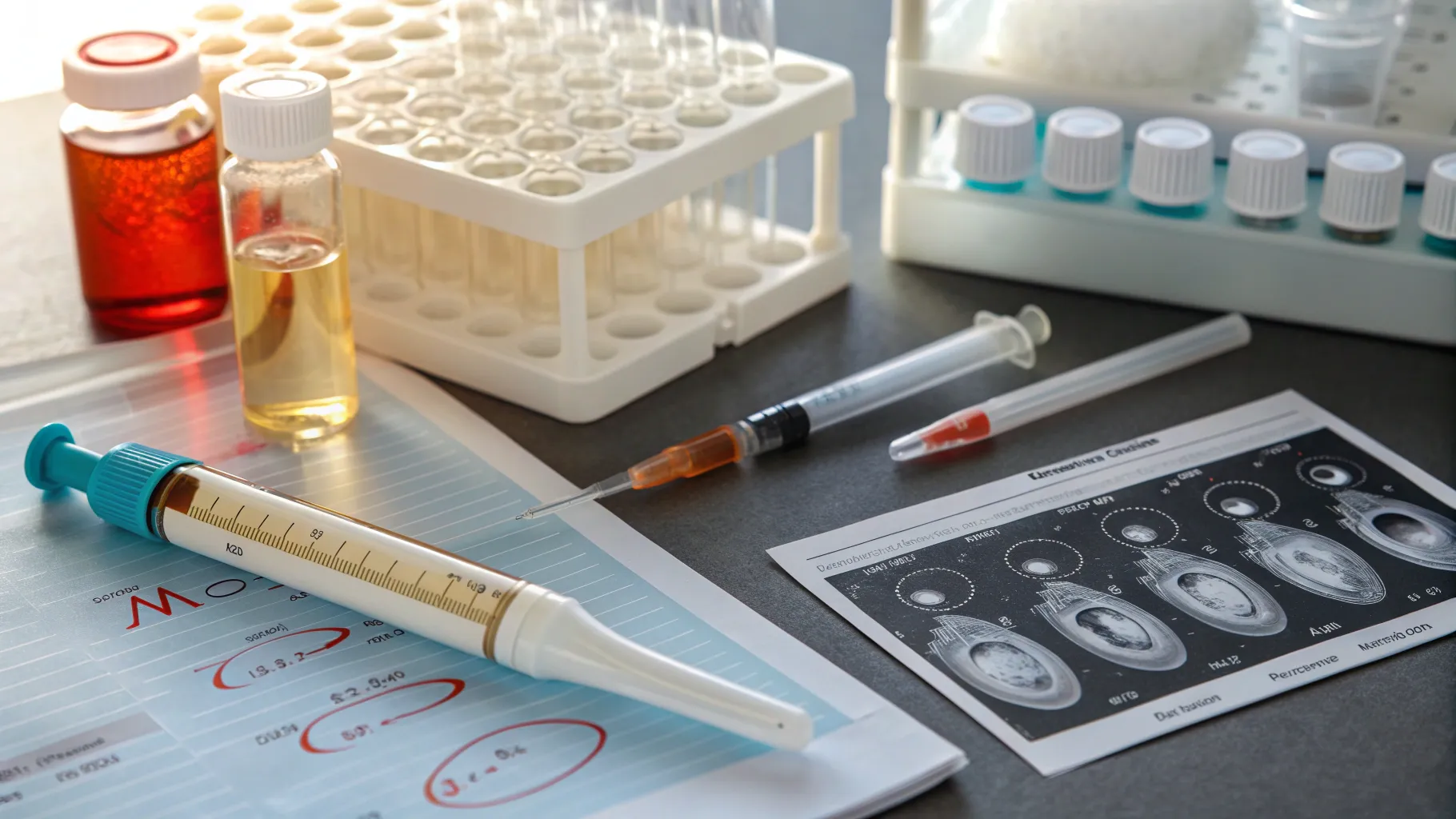
Studies show that female fertility begins a gradual decline starting at age 30, with a more significant drop-off occurring by age 35. Recognizing this biological window is crucial, as it influences family planning decisions. Women must understand their reproductive health status, which can help mitigate stress when faced with potential fertility challenges.
It’s vital to equip oneself with knowledge regarding fertility so that well-informed decisions can be made about family planning, ultimately supporting long-term health and happiness.
Female Fertility Testing and Diagnosis
To assess fertility, women often go through various diagnostic tests, which can illuminate potential obstacles to conception. Fertility specialists play a significant role in providing individualized care tailored to each woman's needs. Here are common tests designed to evaluate female fertility:
- Hormonal Tests: Hormones dictate ovulatory function, making hormonal testing crucial for understanding fertility. The AMH (Anti-Müllerian Hormone) test is a key resource; it reveals a woman's ovarian reserve, effectively indicating how many eggs are available. Prices for the AMH test typically range from $100 to $300 depending on the clinic, but it is an investment in one’s reproductive health.
- Transvaginal Ultrasounds: These ultrasounds focus on assessing the ovaries and uterus for any abnormalities that may hinder fertility. Conditions like ovarian cysts or uterine fibroids can be detected early, facilitating timely management.
- Hysterosalpingography (HSG): This specialized X-ray is designed to evaluate the shape of the uterus and check the fallopian tubes’ patency. It provides crucial information for women interested in conceiving naturally.
Understanding the outcomes of these tests can be empowering. An early diagnosis not only opens up opportunities for timely intervention but also provides clarity and direction in addressing fertility concerns effectively.
Tackling Female Infertility
When fertility tests indicate potential infertility issues, exploring treatment options becomes a necessary next step. Fortunately, the landscape of female infertility treatments is now diverse and increasingly accessible. Here are some popular options that have gained traction recently:
- Lifestyle Changes: Sometimes, the most straightforward adjustments can bring about substantial improvements in fertility. Incorporating a balanced diet, regular physical activity, and stress reduction techniques can significantly enhance reproductive health.
- Pharmaceuticals: For women experiencing irregular ovulation or hormonal imbalances, medications that stimulate ovulation may be a viable option. Medications like Clomid are frequently prescribed and have helped many women succeed in achieving pregnancy.
- Intrauterine Insemination (IUI): In this procedure, sperm is directly introduced into the uterus during the ovulation phase, thereby boosting the chances of fertilization. Many couples find IUI to be a less invasive option with promising results.
- In Vitro Fertilization (IVF): Widely recognized as a leading fertility treatment, IVF involves retrieving eggs, fertilizing them in a laboratory setting, and implanting the embryos in the uterus. This method has transformed reproductive health and options for many aspiring parents.
Each treatment pathway features distinct benefits and considerations. Engaging in an informed discussion with a healthcare provider will help women identify the treatment route that aligns best with their individual circumstances and aspirations.
Selecting the Right Fertility Specialist Clinic
In today’s landscape of fertility clinics, finding the right facility may seem daunting. In 2025, it's essential to seek clinics that provide comprehensive evaluations and possess a reputation for successful outcomes. Reading online reviews and testimonials from past patients can effectively gauge the quality of care offered.
A trustworthy clinic takes the time to deliver accurate diagnoses while guiding and supporting patients through their personal journeys. Visiting multiple clinics for consultations is a good practice, as it allows women to assess each facility’s approach and decide which best aligns with their values and expectations.
Understanding treatment costs is another important factor. While the AMH test is a necessary preliminary step costing between $100 and $300, women should ensure they have a complete understanding of all financial commitments associated with various treatments, including IVF cycles, medication costs, and further necessary testing.
Insurance coverage can widely differ among providers, and many clinics now offer financial counseling services to navigate these complexities effectively. Such resources can prove invaluable for women pursuing necessary treatments.
Beyond medical considerations, emotional support plays an essential role throughout this journey. Engaging in fertility support groups and online communities fosters a sense of solidarity and understanding. Sharing experiences and seeking advice in these environments can significantly lighten the emotional burden often associated with fertility challenges.
Understanding female fertility equips women aged 25-40 with the knowledge they need to make informed decisions reflecting their life goals, whether in career or family aspirations. Engaging with fertility tests, considering treatment options, or seeking in-depth knowledge about reproductive health can transition a woman's experience from anxiety to confidence—empowering them to shape their reproductive futures authentically.
Authored by Health Posts Online team