Understanding Ovarian Cysts Symptoms and Diagnosis Methods
Understanding Ovarian Cysts and Their Importance for Women Aged 20 to 45
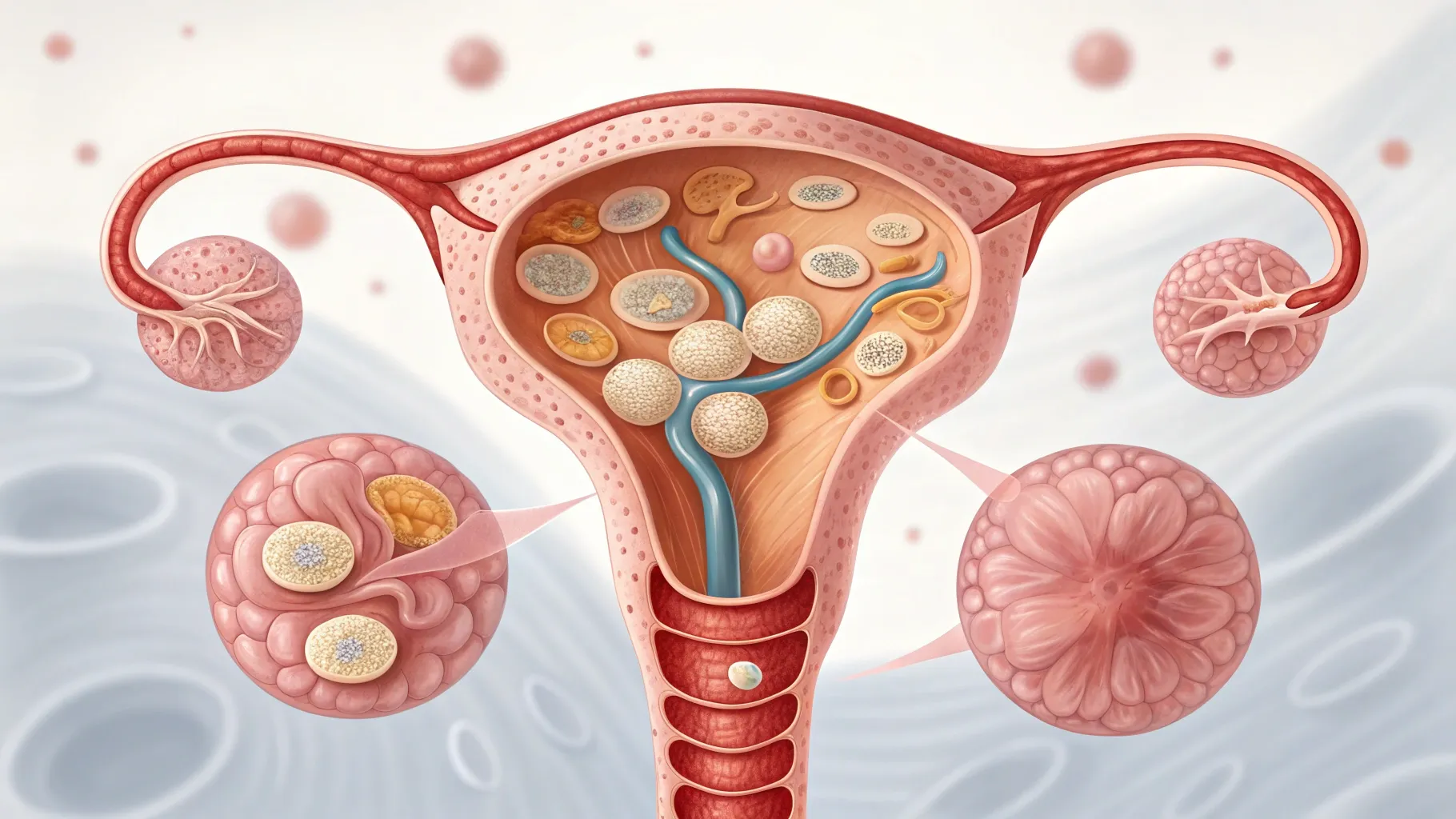
Ovarian cysts are fluid-filled sacs that commonly develop on the ovaries, affecting many women, particularly those between the ages of 20 and 45. Grasping the implications of ovarian cysts is vital for effective reproductive health management. Many women in this demographic may experience various symptoms without recognizing them as potential indicators of ovarian cysts. Awareness of this condition is crucial—prompt diagnosis and appropriate treatment may prevent complications while relieving discomfort.
Recognizing Ovarian Cyst Symptoms
Symptoms associated with ovarian cysts can vary significantly. While some women may encounter no notable symptoms, others could face challenges ranging from mild discomfort to severe pain. It’s essential to listen to your body and be aware of the signs. Here are some common symptoms that warrant attention:
- Pelvic Pain: This pain may manifest as a persistent dull ache or a sharp, intermittent pain that correlates with the menstrual cycle.
- Irregular Menstrual Cycles: Changes in your menstrual pattern, including heavier periods or unexpected missed cycles, can sometimes indicate an underlying cyst.
- Pressure Symptoms: Feelings of discomfort when sitting, during intercourse, or an urgent need to urinate can reflect pressure from a growing cyst.
- Hormonal Imbalances: Signs such as breast tenderness, mood swings, or changes in libido can arise from hormonal fluctuations associated with ovarian cysts.
It is crucial to consult a healthcare provider if you experience any of these symptoms. Ignoring them could lead to serious complications, making timely intervention valuable.
Diagnosis and Effective Treatment of Ovarian Cysts
If you suspect the presence of an ovarian cyst based on these symptoms, consulting a gynecologist specializing in ovarian health is essential. The initial consultation typically begins with a detailed medical history followed by a physical examination. The physician may recommend imaging tests, with ultrasound being the most common procedure administered.
The Power of Ultrasound in Diagnosing Ovarian Cysts
Ultrasound is a non-invasive, safe diagnostic tool that employs sound waves to create images of the ovaries. It is highly effective in distinguishing between functional cysts—which often resolve independently—and complex cysts, which may suggest serious conditions. Recent studies highlight that over 70% of cysts discovered during screenings turn out to be functional and resolve naturally within three menstrual cycles.
As of 2025, the average cost for an ovarian cyst ultrasound ranges between $200 to $600, with expenses influenced by the imaging facility and insurance coverage. Being aware of your insurance specifics is beneficial when planning for this critical diagnostic test.
Exploring Treatment Options
The treatment approach for ovarian cysts depends significantly on the type of cyst diagnosed. For functional cysts, the conventional approach may involve no active treatment, as they typically diminish without intervention. However, if a cyst is large, complex, or symptomatic, various treatment strategies can be adopted:
- Medication: Doctors may prescribe hormonal contraceptives to help regulate menstrual cycles and diminish the likelihood of future cyst formation.
- Surgery: In cases presenting larger or persistent cysts, or when there’s suspicion of malignancy, laparoscopic surgery may be called for to remove the cyst.
- Monitoring: For less urgent cases, healthcare providers might recommend regular ultrasound follow-ups to observe any changes in the cyst over time.
The specific treatment pathway will be tailored to each woman’s unique health circumstances, factoring in aspects such as age, overall health, and symptom severity.
Proactive Management of Ovarian Cysts
Managing ovarian cysts effectively necessitates diligent care and awareness. Here are some actionable steps women can take to foster better ovarian health:
- Annual Check-ups: Scheduling yearly visits with a gynecologist can facilitate the early detection of any concerning ovarian health changes.
- Symptom Monitoring: Keeping a detail-oriented diary that tracks menstrual cycles and any pelvic discomfort could provide essential information for your healthcare provider.
- Healthy Lifestyle Choices: Engaging in a balanced diet rich in fruits, vegetables, and whole grains, combined with regular physical activity, supports overall reproductive health.
This proactive approach empowers women to take charge of their reproductive health. Being informed, taking symptoms seriously, and adhering to a monitoring or management plan can significantly reduce risks.
The Growing Importance of Awareness Around Ovarian Cysts
In a world where women's health issues have often been overlooked or poorly understood, the conversation around ovarian cysts is gaining new energy. Understanding these cysts goes beyond merely recognizing symptoms; it establishes a foundation for knowing when to seek qualified medical help. With advancements in diagnostic and treatment options, women aged 20 to 45 can navigate their gynecological health with greater confidence.
Staying informed about ovarian cysts can empower women to make educated decisions, mitigate risks, and maintain their reproductive health. The significance of early detection and prompt treatment cannot be overstated—these factors play a crucial role in preserving overall health and well-being.
Ultimately, engaging with healthcare providers about ovarian cyst symptoms, treatment modalities, and management strategies can transform what may seem like a daunting health concern into a manageable part of women’s health journeys. The road to understanding ovarian cysts is paved with education, vigilance, and proactive healthcare engagement, leading to better outcomes and improved quality of life.
Authored by Health Posts Online team