Learn About Uterine Fibroids and Treatment Options for Women
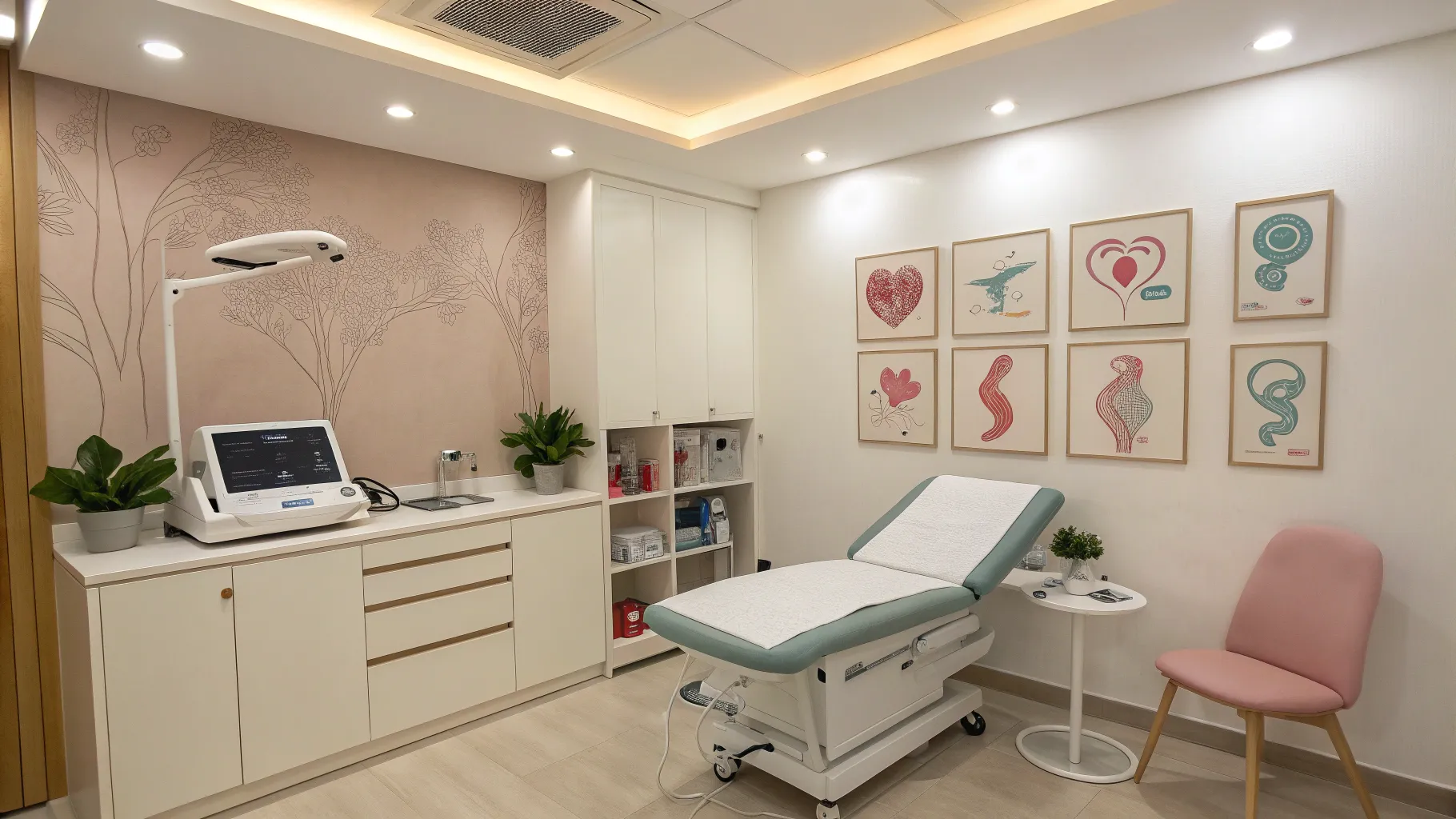
Understanding Uterine Fibroids: A Comprehensive Guide for Women Aged 30-55
Uterine fibroids are benign tumors that can lead to a range of symptoms affecting women, particularly those between the ages of 30 and 55. It's astounding to learn that a significant percentage, about 70-80%, of women will develop fibroids by the time they reach 50 years old. Despite this high prevalence, many women are often unsure of what fibroids are, how they can affect their lives, and what treatment options are available.
Recognizing the symptoms of uterine fibroids is critical for effective management. Common symptoms include:
- Heavy Menstrual Bleeding: This symptom can be debilitating, causing women to change sanitary products very frequently, sometimes even every hour during their periods.
- Pelvic Pain: Ranging from mild discomfort to severe pain, pelvic pain can disrupt daily activities and overall quality of life.
- Frequent Urination: As fibroids grow, they can press against the bladder, leading to increased urgency and frequency of urination.
- Abdominal Swelling: Some women may notice an increase in abdominal size or feelings of pressure due to enlarged fibroids.
Interestingly, some individuals may have fibroids but experience little to no symptoms. This underscores the importance of regular gynecological check-ups and discussions about menstrual health. Early detection plays a key role in managing fibroids effectively, helping to avoid more severe complications.
If fibroids are suspected, a provider may recommend a fibroid ultrasound, which is a standard imaging technique that helps to identify the size and location of fibroids. This information is essential for creating a personalized treatment plan.
Uterine Fibroid Treatment Options Available Today
Diagnosis can often leave women wondering what their treatment options are. Thankfully, there are numerous treatment pathways tailored to individual health needs and personal preferences. Here are some of the most effective options available:
- Medication: Hormonal therapies are often prescribed to help manage symptoms such as heavy bleeding and regulate menstrual cycles. Additionally, Nonsteroidal anti-inflammatory drugs (NSAIDs) can be effective in relieving pain associated with fibroids.
- Uterine Artery Embolization (UAE): This minimally invasive procedure blocks the blood supply to fibroids, causing them to shrink. Many women report significant relief after undergoing UAE, making it a viable option for many.
- Myomectomy: For those who wish to preserve their fertility, myomectomy offers a surgical solution focused on removing fibroids while keeping the uterus intact.
- Hysterectomy: In cases where fibroids cause severe symptoms or complications, a hysterectomy may be recommended. This procedure involves the removal of the uterus and may be deemed the best option for some women.
Choosing the appropriate treatment depends greatly on various factors, including the size and placement of the fibroids, the woman's health status, and whether she wishes to retain her fertility. Many women find that specialized fibroid clinics provide essential expertise that helps them navigate these options effectively. Increased awareness and analysis of individual symptoms can lead to better treatment outcomes and enhanced quality of life.
Understanding the Financial Aspect of Fibroid Treatment
The costs of treating uterine fibroids can vary widely based on geographical location, healthcare providers, and the complexity of the procedure. Recent averages indicate that myomectomy procedures can range from $6,000 to $20,000, while hysterectomies may cost between $8,000 and $30,000. It's vital to note that many health insurance plans cover these procedures, especially when deemed medically necessary.
Women can mitigate financial strain by taking a proactive approach—reviewing their insurance policies and discussing financial options with their healthcare providers. Understanding potential costs ahead of time can significantly ease the stress surrounding treatment.
Seeking treatment early not only helps to alleviate symptoms but can also reduce the overall treatment costs by minimizing complications. Engaging with healthcare professionals regarding symptoms and options can lead to more timely interventions and better health results.
The Importance of Community Support in Fibroid Care
Women navigating the challenges of uterine fibroids can find strength through community support. Various resources, including fibroid specialist clinics, support groups, and online forums, offer the opportunity for shared experiences and collective wisdom. Such environments foster encouragement, enabling women to express concerns, share stories, and gain confidence in managing their health.
Advancements in treatment methods, like MRI-guided focused ultrasound, exemplify progress in the medical field. Non-invasive technologies provide new avenues for effective fibroid management, resulting in quicker recovery times and lower risk compared to traditional surgery.
Moreover, educational resources are abundant and empower women to make informed decisions about their health. Workshops, webinars, and online platforms focused on uterine fibroids facilitate greater understanding, allowing for improved dialogue with healthcare providers regarding symptoms, treatment options, and personal health management.
Ultimately, understanding uterine fibroids is essential for women within the 30-55 age range. By recognizing symptoms, exploring treatment options, and seeking support from specialized clinics or communities, women can take significant steps toward improved reproductive health and quality of life. With a proactive attitude and a commitment to awareness, women are in a better position to navigate their health journeys, ensuring they receive the comprehensive care they need.
Authored by Health Posts Online team